
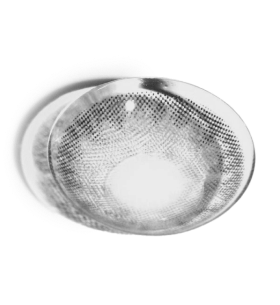
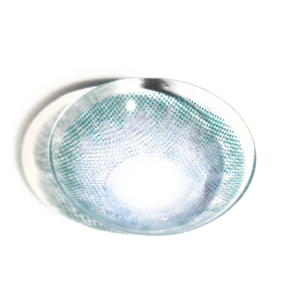
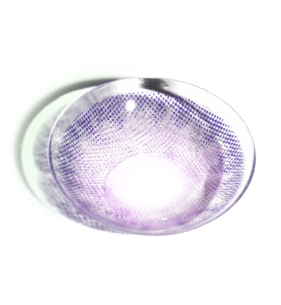
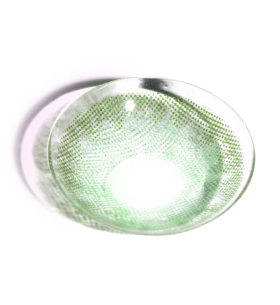
Coloured contact lenses are medical devices. A safe fit, clean handling and the correct replacement schedule matter whether the lenses have vision-correcting power or are plano (0.00).
Before ordering or wearing lenses
- Have an eye-care professional confirm that contact lenses are suitable for your eyes and provide your contact-lens measurements and prescription.
- Use a current contact-lens prescription, not a glasses prescription. Base curve and lens fit cannot be selected from glasses details alone.
- Follow the rules where you live. In the United States, all contact lenses—including decorative or plano coloured lenses—require a prescription.
- Check the product page and packaging for the exact power, base curve, diameter, expiry date and replacement schedule.
Insert and remove lenses safely
Before touching a lens
- Wash your hands with soap and water, then dry them with a clean lint-free towel.
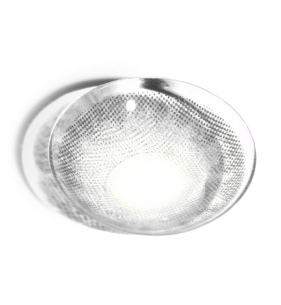
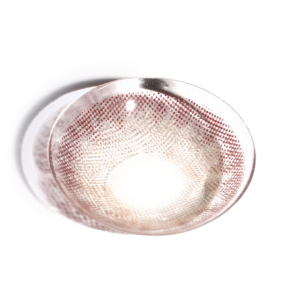
- Inspect the lens in good light. It should be clean, intact and shaped like a smooth bowl rather than flaring at the edge.
- Use only fresh contact-lens disinfecting solution recommended for your lens type. Never use water or saliva.
Insertion
- Place the lens on the pad of a clean fingertip.
- Hold the upper and lower eyelids open and gently place the lens on the eye.
- Blink slowly. If discomfort, blurred vision or redness continues, remove the lens and do not keep wearing it.
Removal
- Wash and dry your hands.
- Look up, slide the lens gently onto the white of the eye, and remove it with the pads of your fingers—not your nails.
- Discard it if it is single-use. If it is reusable, clean and disinfect it before storage.
Cleaning, disinfecting and storage
- Rub and rinse reusable lenses with fresh solution as directed by the solution and lens instructions.
- Empty the case after each use, clean it with fresh solution, and let it air-dry. Do not “top up” used solution.
- Replace the lens case at least every three months, or sooner if advised.
- Keep lenses away from tap, bottled, pool, sea and shower water. Remove lenses before swimming or showering.
- Never share lenses, solution or a lens case.
Wear time and replacement
| Question | Safe rule |
|---|---|
| How long per day? | Follow the shorter limit set by your eye-care professional or the product instructions. Do not exceed eight hours, and remove lenses sooner if your eyes feel dry, irritated or uncomfortable. |
| When should reusable GEO lenses be replaced? | Replace them no later than three months (90 days) after opening, or sooner if the product packaging or your eye-care professional gives a shorter schedule. |
| Can I sleep in them? | No. Do not nap or sleep in these lenses. |
Stop wearing lenses and seek help
Remove the lenses immediately if you develop pain, marked redness, light sensitivity, discharge, swelling, sudden blurred vision or a persistent foreign-body sensation. Do not reinsert the lenses. Contact an eye-care professional promptly; urgent symptoms or sudden vision changes need urgent medical assessment.
Frequently asked questions
Do plano coloured lenses need a prescription?
Requirements vary by country, but a professional fitting is important for every contact lens. In the United States, decorative and plano coloured lenses are prescription medical devices.
Can I use water if I run out of solution?
No. Water is not sterile and can expose lenses and eyes to microorganisms. Use only appropriate fresh contact-lens solution.
Can I swim or shower while wearing lenses?
No. Remove lenses before swimming, showering or using a hot tub.
Sources and next steps
This guide is general information and does not replace advice from your eye-care professional. Read the US FDA guidance for coloured and decorative lenses and the CDC contact-lens wear and care guidance.
Next, use the coloured contact lens selection guide, browse natural coloured contact lenses or compare dolly-eye circle lenses.